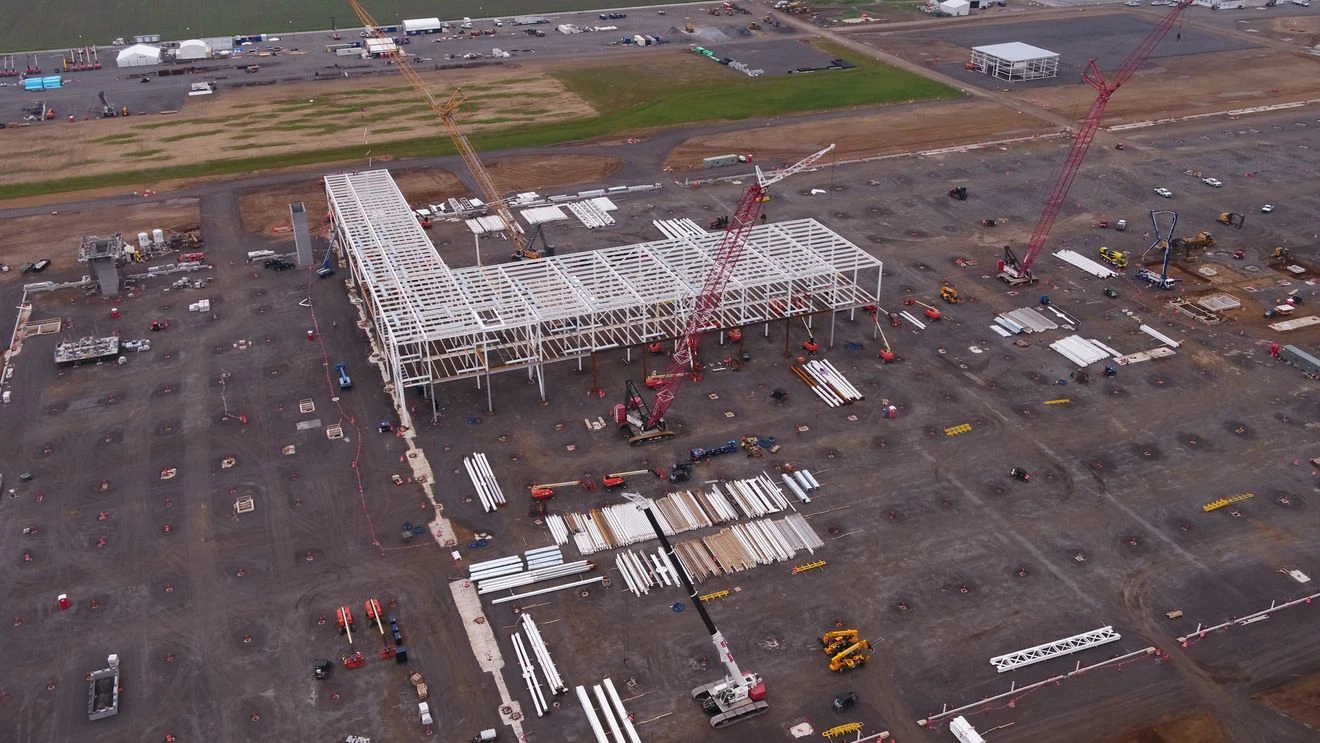
The Great Electric Vehicle Retrenchment has claimed another major casualty. General Motors and Samsung SDI have officially paused construction on their planned $3.5 billion EV battery cell manufacturing plant in New Carlisle, Indiana. The decision directly reflects a cooling consumer market following the elimination of the $7,500 federal EV tax credit and a significant rollback of strict emissions mandates under the current administration.
While local economic leaders note that the “pause” lacks permanent finality, construction crews are currently instructed only to finish the exterior shell of the building before halting operations indefinitely.
Tracking the Shift on the NAATBatt Supply Chain Map
For those tracking the North American lithium-ion ecosystem, this Indiana facility represents a massive bottleneck in domestic cell manufacturing capacity. You can view the full profile and coordinates for this specific facility on the respectmyplanet’s GM-Samsung Carlisle Homepage.
To visualize how this delay impacts the broader midstream supply chain infrastructure, you can also See It On the Map via the RMP Interactive Li-Ion Supply Chain Map.
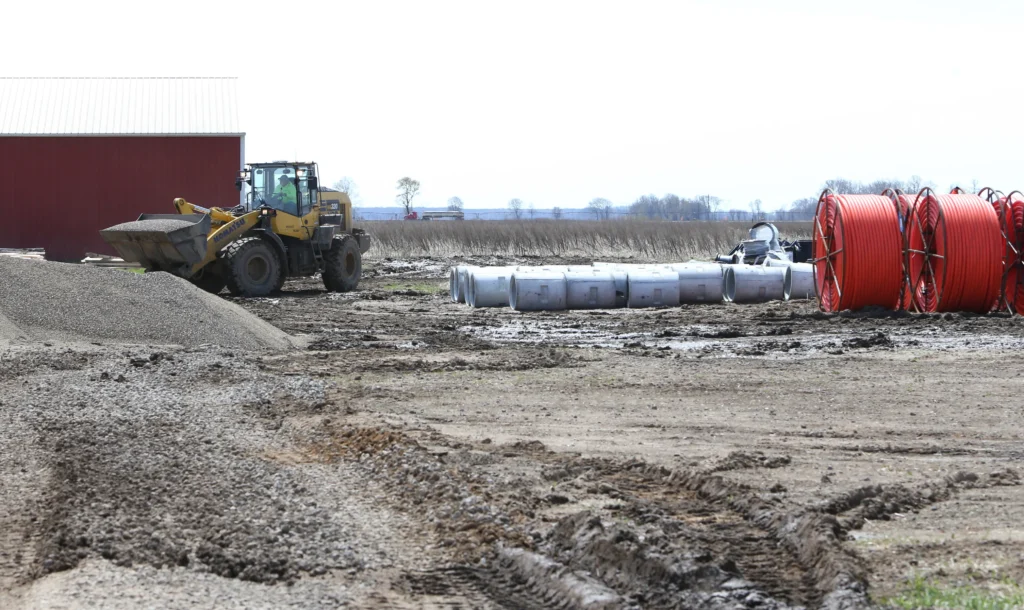
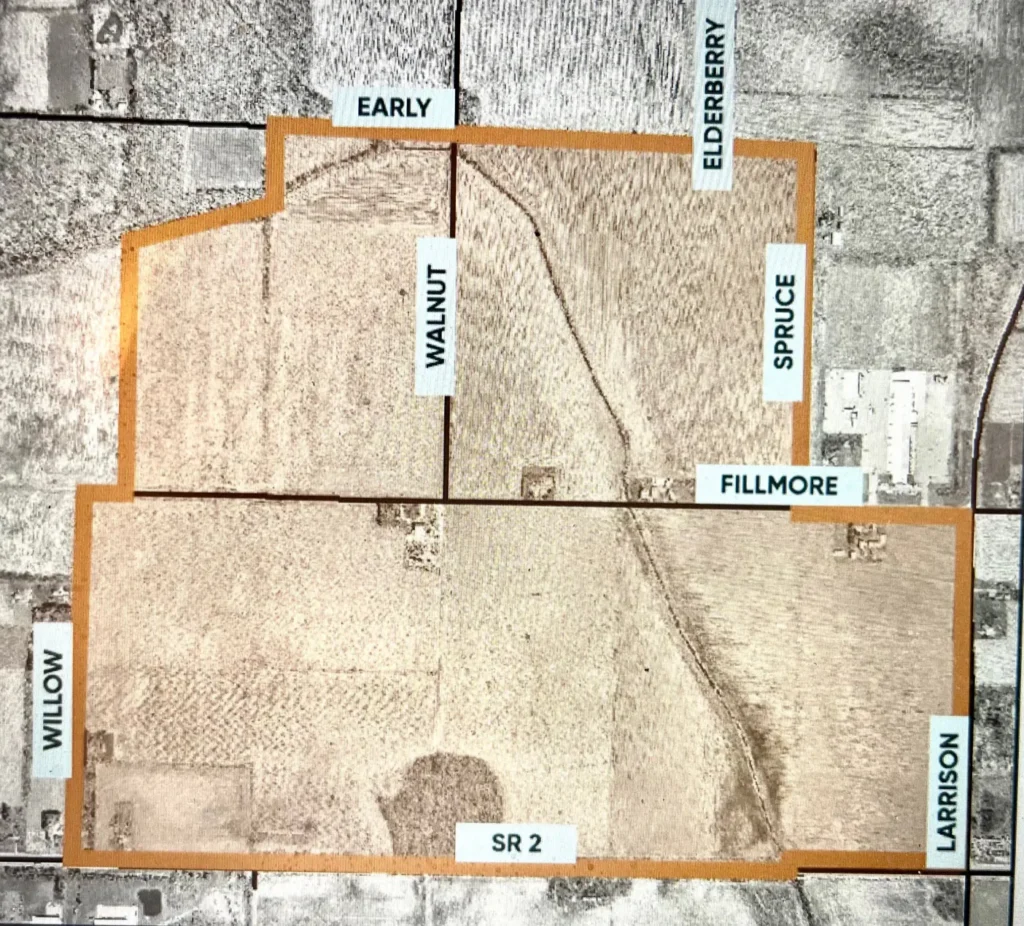
According to our verified NAATBatt database integration, this 680-acre site was designed with massive scale in mind:
- Planned Capacity: 30 GWh/year of nickel-rich prismatic and cylindrical cells.
- Projected Workforce: 1,700 green energy jobs for the South Bend region.
| Facility Profile | AttributeDetails |
| Location | New Carlisle, Indiana (St. Joseph County) |
| Planned Output | 30 GWh/year (Prismatic & Cylindrical Cells) |
| Expected Employment | 1,700 Employees |
| Current Status | Construction Paused (Completing Shell Only) |
The Ugly Truth: Multi-Billion Dollar Bloodbaths Across the Industry
This isn’t an anti-EV narrative; it is a cold, hard look at corporate balance sheets. Global legacy OEMs are facing an unprecedented financial reckoning for overestimating how quickly mainstream buyers would abandon internal combustion engines (ICE) and hybrid alternatives. Building factories for a subsidized demand curve that vanished has resulted in historic asset write-downs and cancellation fees. [1, 2, 3]
The carnage across OEM balance sheets highlights the depth of the issue:
- Stellantis: Hit the hardest globally, booking a staggering $29.7 billion (€25.4 billion) asset impairment charge specifically tied to its aggressive EV strategy realignment.
- Ford Motor Company: Took a massive $19.5 billion restructuring and asset write-down charge as it killed multiple future EV platforms, including its planned three-row SUV and large electric pickup programs.
- Honda: Just reported its first annual net loss in nearly 70 years as a publicly traded company, driven by a brutal $9 billion (1.45 trillion yen) write-down after scrapping core EV sales targets and pausing Canadian battery ventures.
- General Motors: Absorbed $7.6 billion in total EV-related charges, which included terminating its BrightDrop electric van line and paying billions in supplier contract cancellation penalties. [1, 2, 3, 4, 5, 6, 7, 8]
A Return to Market Realities
Legacy automakers aren’t completely abandoning electrification, but they are dramatically resetting their timelines to match true consumer demand rather than regulatory mandates. For now, profits from gas-powered trucks and hybrid SUVs are keeping the lights on, while multi-billion-dollar battery hubs like New Carlisle wait in limbo for the market to mature. [1, 2, 3, 4]
Stay tuned to our interactive mapping system as we continue to track real-time operational status updates across the North American energy grid.
Leave a Reply