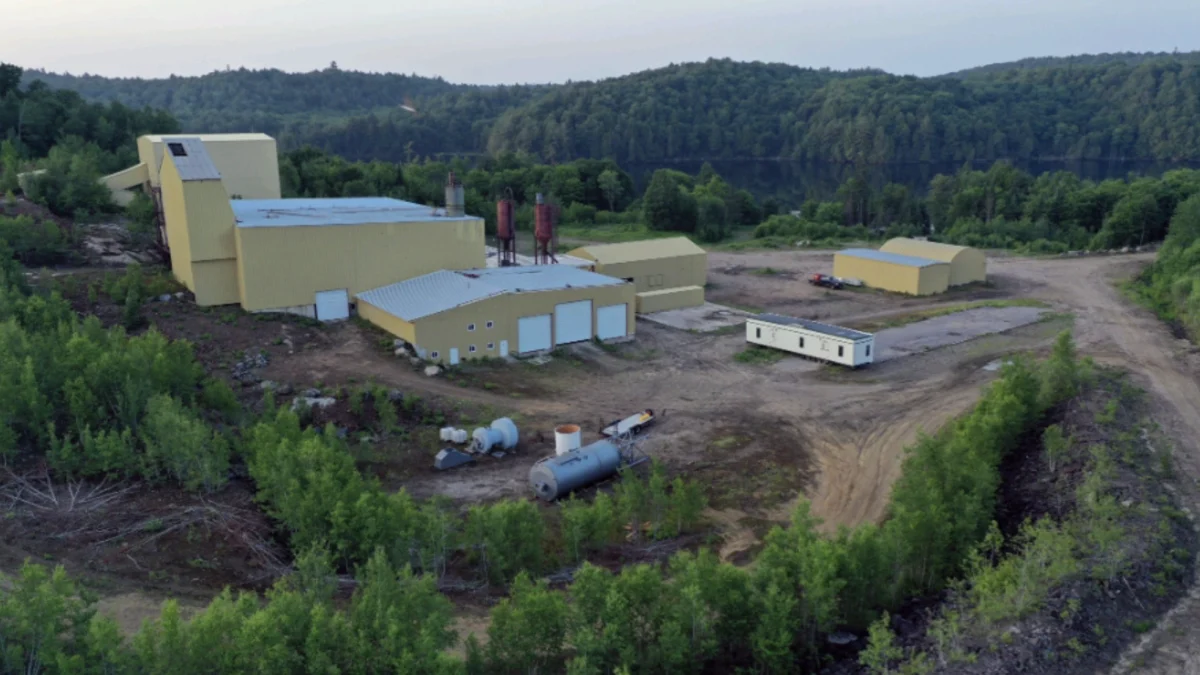
A proposed $250 million restart of the historic Kearney graphite mine in Ontario could become one of the most important lithium-ion battery material developments in North America. According to reporting from BayToday, Global Battery Materials believes the long-idled site could become the continent’s first active source of battery-grade graphite.
That matters because graphite is one of the most essential — and often overlooked — materials used in lithium-ion batteries.
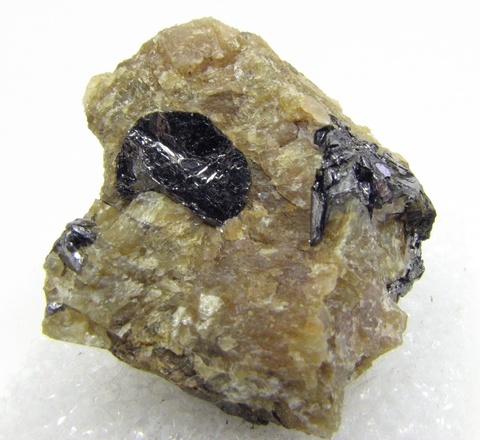
While public attention often focuses on lithium, nickel, and cobalt, graphite is the dominant material used in battery anodes. In many lithium-ion battery chemistries, graphite represents more than 95% of the anode material by mass.
Today, much of the world’s battery-grade graphite processing capacity remains concentrated in China. Global Battery Materials says approximately 98% of coated spherical purified graphite used in battery anodes currently originates there.
That is why projects like the Kearney graphite mine are drawing renewed attention across the North American EV and energy storage industries.
Why Graphite Is So Important for EV Batteries
Graphite serves as the primary anode material in most commercial lithium-ion batteries because of its:
- electrical conductivity,
- energy storage capability,
- cycle durability,
- and relative stability.
Even as silicon-enhanced batteries continue to develop, graphite remains foundational to current EV battery production. Nearly every electric vehicle battery still relies heavily on either natural graphite, synthetic graphite, or blended anode materials.
As automakers continue building battery plants across the United States and Canada, demand for domestically sourced anode materials is expected to rise significantly over the next decade.
According to reports, the proposed Kearney restart could initially produce approximately 23,000 tonnes of graphite annually before potentially expanding to 50,000 tonnes in future phases.
A Growing Focus on North American Battery Materials
The push to localize battery supply chains has accelerated in recent years due to:
- geopolitical concerns,
- critical mineral security,
- EV manufacturing growth,
- and export restrictions on key materials.
China tightened graphite export controls in late 2024, highlighting the vulnerability of global battery supply chains and increasing pressure on North America to develop domestic production capacity.
Projects like Kearney could eventually support:
- EV manufacturing,
- stationary energy storage,
- robotics,
- grid-scale batteries,
- and future advanced battery technologies.
Global Battery Materials is also reportedly evaluating locations for a future anode materials plant somewhere in North America, which could further expand downstream graphite processing capacity outside China.
Tracking the Critical Minerals Behind Lithium-Ion Batteries
At RespectMyPlanet’s LIB Map, we track projects tied to the growing lithium-ion battery ecosystem across North America and beyond.
That includes:
- lithium,
- graphite,
- nickel,
- cobalt,
- manganese,
- copper,
- rare earth elements,
- battery plants,
- recycling facilities,
- and critical mineral processing infrastructure.
Graphite projects are becoming increasingly important as automakers and battery manufacturers seek more secure regional supply chains for anode production.
The Kearney graphite mine represents another example of how dormant mining assets across Canada may play a major role in the future of electrification and energy storage.
You can explore the Kearney graphite mine location and related battery material infrastructure on RMP’s exclusive NAATBatt map. Here is a link to the Kearney Graphite Mine’s homepage on our site. Here is a link to see the location on our interactive map.
Leave a Reply