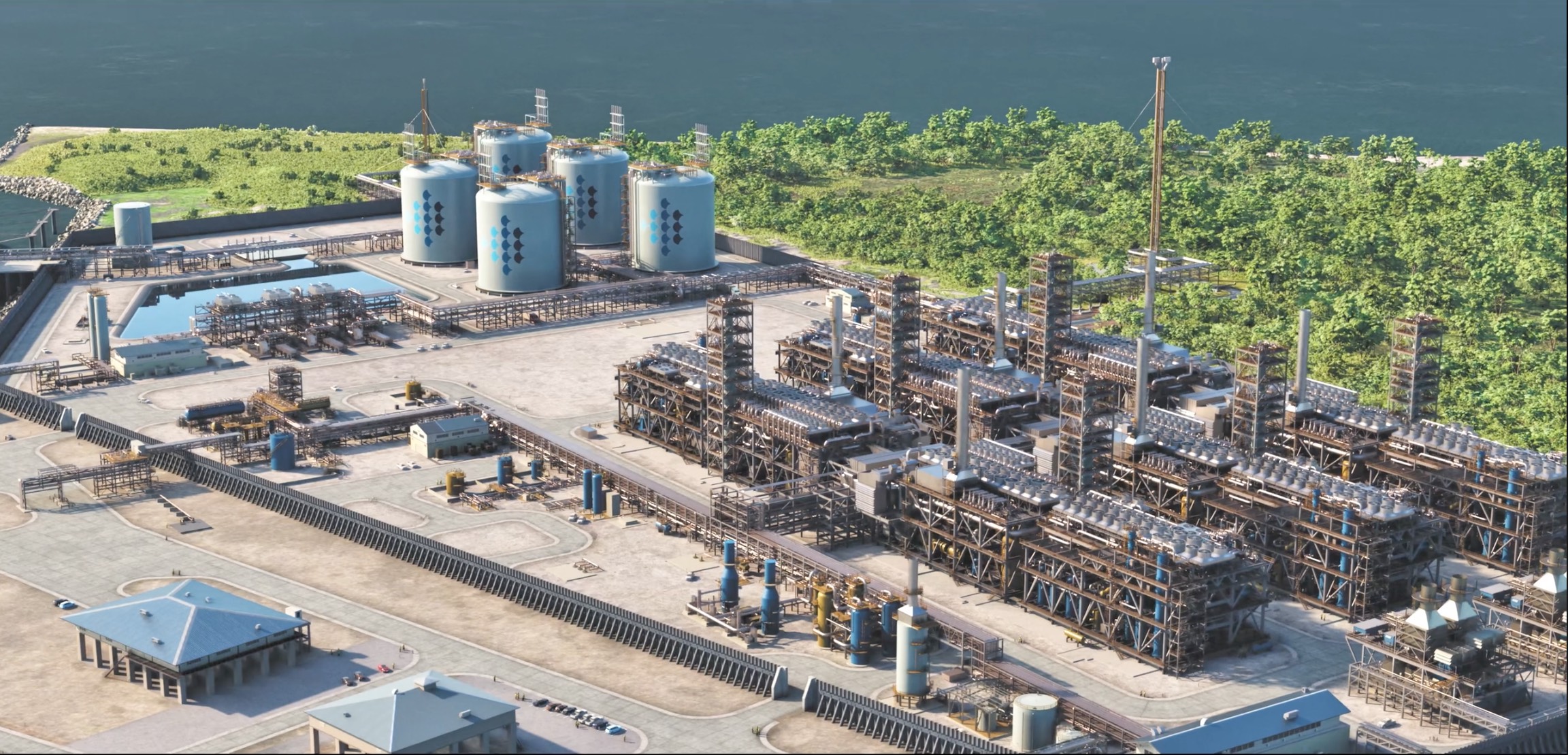
The U.S. Gulf Coast LNG buildout continues accelerating after developers behind the Commonwealth LNG project officially approved construction of the massive $13 billion export terminal in Cameron Parish, Louisiana. The project represents another major investment in North American liquefied natural gas infrastructure as global demand for LNG continues rising.
According to recent reports, the Commonwealth LNG facility is expected to export up to 9.5 million metric tons of LNG annually when it’s operational later this decade. The project has secured billions in financing support from major international investors including Mubadala Energy and CPP Investments.
The development further strengthens southwest Louisiana’s position as one of the world’s largest concentrations of LNG infrastructure.
LNG Infrastructure Cluster Expanding in Cameron Parish
The new Commonwealth LNG project is being developed within an increasingly dense network of existing and proposed LNG export facilities along the Louisiana Gulf Coast. You can click here to see the planned location of the Commonwealth LNG terminal on RMP’s map of global LNG terminals.
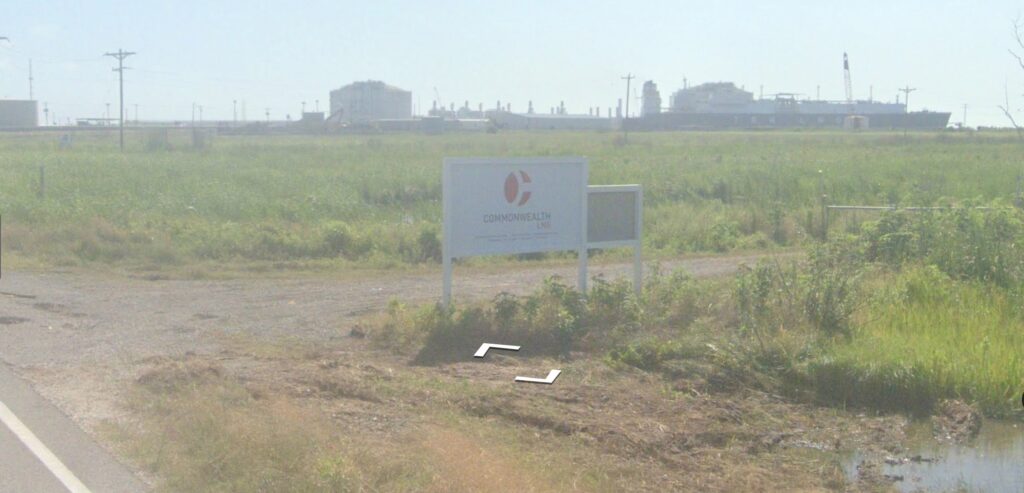
Several major LNG terminals are located nearby and can be explored within RMP’s North American LNG GIS platform:
- Calcasieu Pass LNG Terminal — approximately 1 mile away
- CP2 LNG Terminal — approximately 1.8 miles away
- CP3 LNG — approximately 3 miles away
- Cameron LNG Terminal — approximately 19.5 miles away
This region is rapidly becoming one of the most strategically important LNG export corridors in the world, supported by:
- direct Gulf Coast shipping access,
- extensive pipeline connectivity,
- abundant U.S. natural gas supply,
- and growing international demand for energy security.
Global LNG Demand Continues Driving U.S. Export Growth
The Commonwealth LNG approval comes as buyers across Europe and Asia continue securing long-term LNG supply agreements amid geopolitical instability and tightening global gas markets.
The United States has increasingly positioned itself as a dominant LNG exporter, with multiple large-scale Gulf Coast projects currently under construction or advancing toward final investment decisions.
For Louisiana specifically, the continued expansion of LNG infrastructure is driving:
- industrial investment,
- construction employment,
- pipeline expansion,
- port activity,
- and global energy trade relevance.
Mapping North America’s LNG Infrastructure
RMP continues tracking LNG terminals, pipelines, energy projects, and industrial infrastructure developments across North America through its GIS mapping platform.
The platform allows users to visualize:
- LNG export terminals,
- hydrogen projects,
- energy corridors,
- refining infrastructure,
- battery supply chains,
- and emerging clean energy investments.
As additional LNG projects advance along the Gulf Coast, spatial intelligence and infrastructure mapping are becoming increasingly valuable tools for understanding how North America’s energy network is evolving.
Leave a Reply